nasa

SWOT Satellite Captures Tsunami Wave After Kamchatka Quake

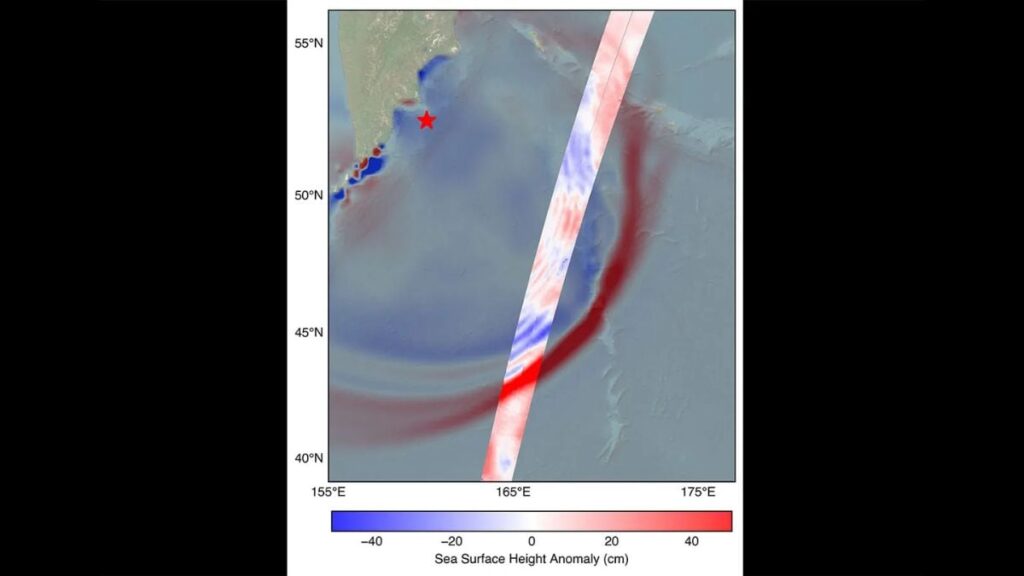
The U.S.-French SWOT (Surface Water and Ocean Topography) satellite captured the leading edge of a tsunami wave that rolled through the Pacific Ocean on July 30, 2025 (11:25 a.m. local time), in the wake of a magnitude 8.8 earthquake that struck Russia’s Kamchatka Peninsula. The satellite captured the data about 70 minutes after the earthquake […]

SWOT Satellite Captures Tsunami Wave After Kamchatka Quake Read More »
Greenland’s Melting Glaciers Feed Ocean Life, Study Finds

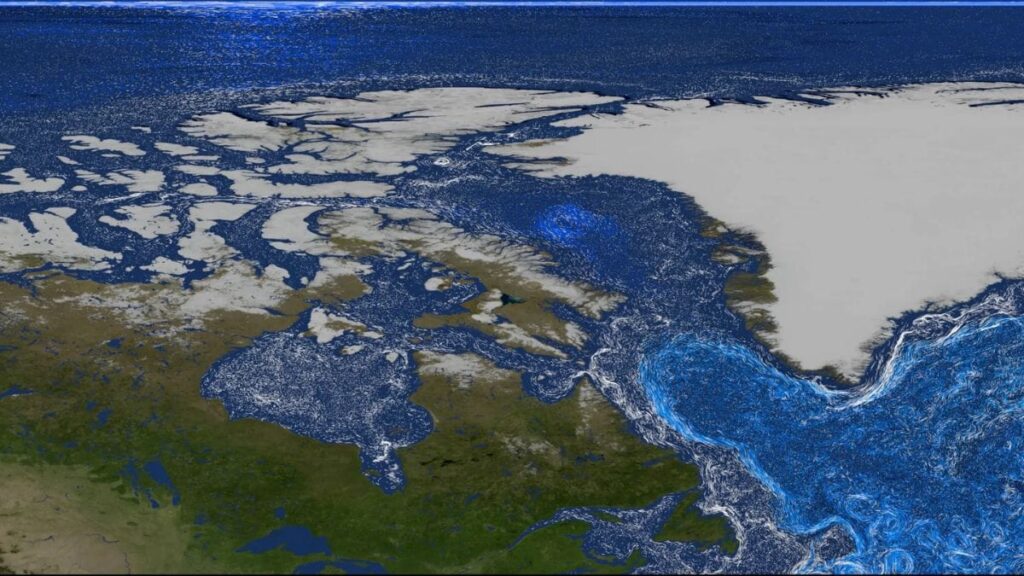
The process of Greenland’s ice sheet melting is not only raising sea levels, it is also feeding life in the ocean. As the most productive for marine life, phytoplankton harvesting energy from this nutrient-filled climate change is altering how this biological pump works in these warming ares. In a new study, scientists employed cutting-edge computer

Greenland’s Melting Glaciers Feed Ocean Life, Study Finds Read More »

Scientists Explore Role of Space Radiation in Powering Alien Microbial Life

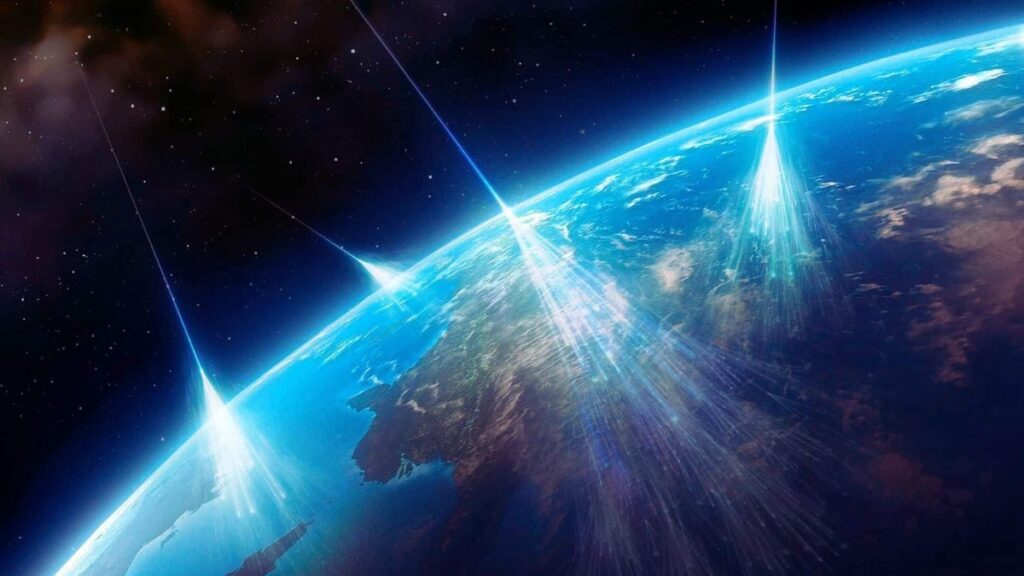
The search for alien life traditionally focuses on planets in the “Goldilocks zone” — the orbital band where surface water can exist. But new research suggests life might thrive far from starlight in a so-called “radiolytic habitable zone,” where penetrating cosmic rays break buried water molecules (a process called radiolysis) into hydrogen, oxygen and energy-rich

Scientists Explore Role of Space Radiation in Powering Alien Microbial Life Read More »

James Webb Space Telescope Reimagines Hubble’s Deep Field, Unveils Ancient Galaxies

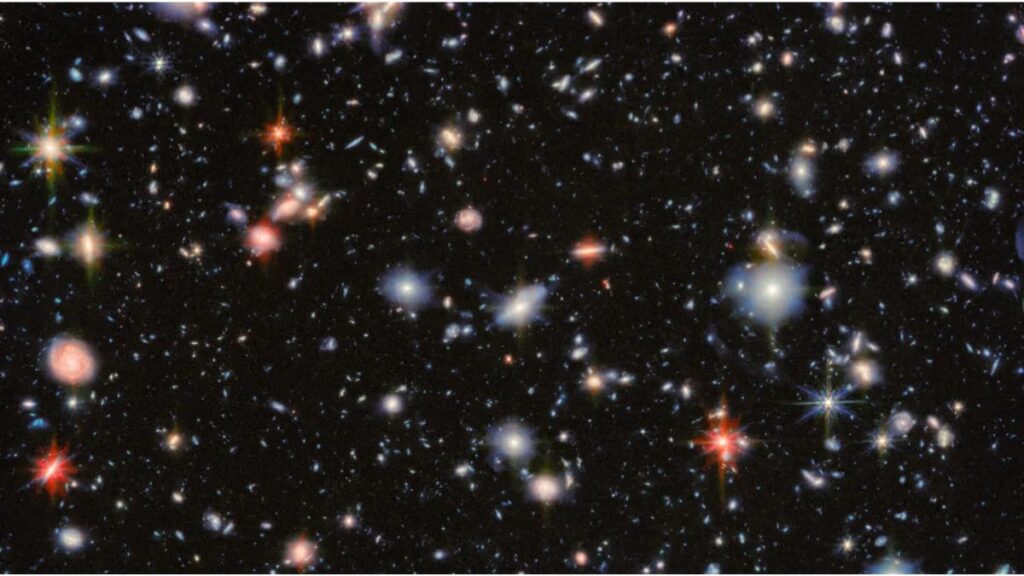
The James Webb Space Telescope (JWST) has returned to Hubble’s Ultra Deep Field, capturing over 2,500 galaxies across cosmic history. It is part of JWST’s JADES survey, re-imaging the same patch in infrared. Webb’s infrared cameras (NIRCam and MIRI) see much fainter objects than Hubble. While Hubble’s UDF showed about 10,000 galaxies in visible light,

James Webb Space Telescope Reimagines Hubble’s Deep Field, Unveils Ancient Galaxies Read More »

NASA Data Shows Pluto’s Equator Is Lined with Towering Methane Ice Spires

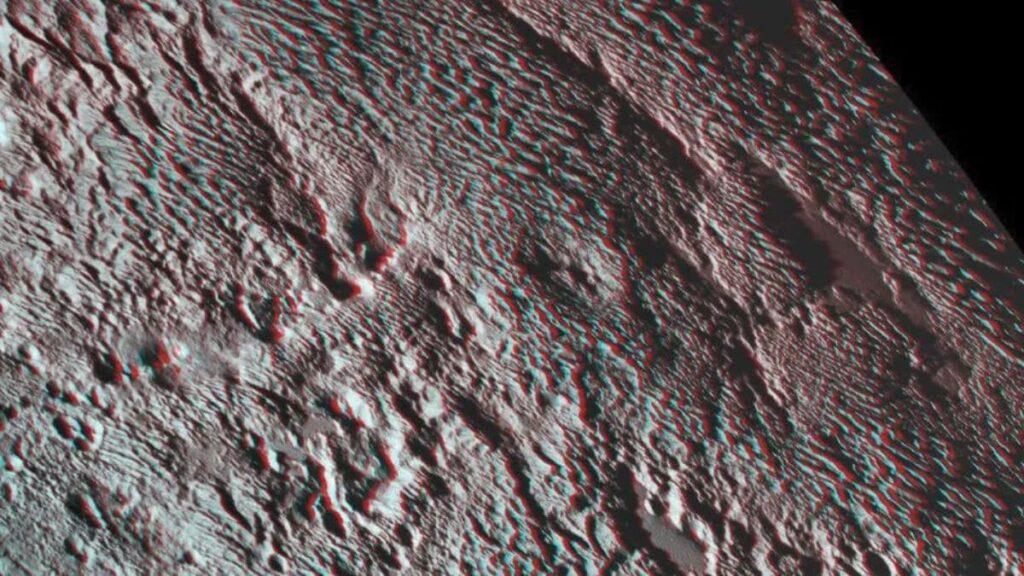
The skyscraper size of methane ice might cover around 60% of the equatorial region of Pluto, a larger area than astronomers actually estimated. This study was published on July 5, 2025 in the Journal of Geophysical Reserach. It was based on the data from NASA’s New Horizons spacecraft which captured close images of it around

NASA Data Shows Pluto’s Equator Is Lined with Towering Methane Ice Spires Read More »

SpaceX, NASA Delay Crew-11 Launch Due to Thick Clouds over Kennedy Space Center

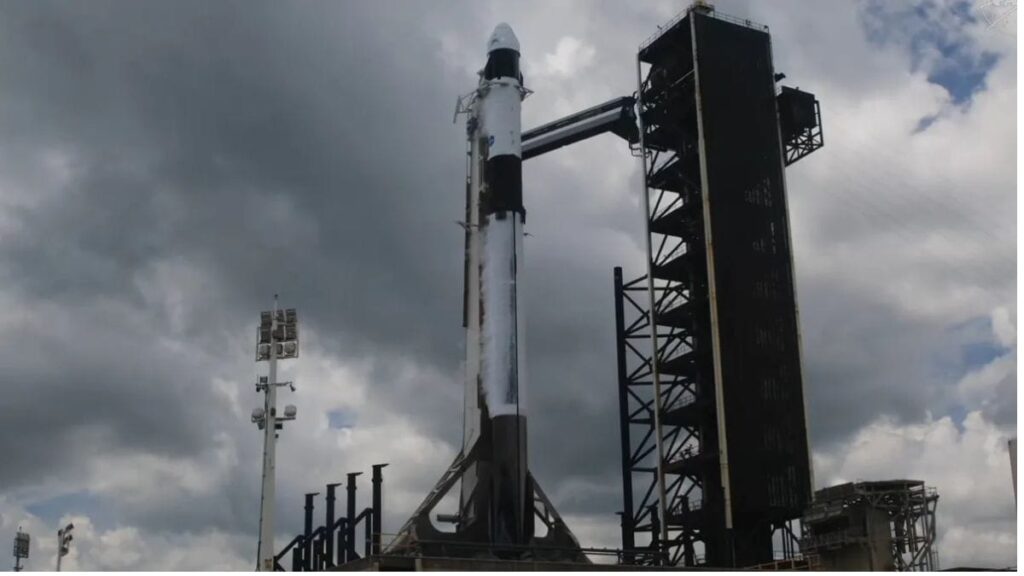
Just over a minute before liftoff on July 31, SpaceX called off the launch of NASA’s Crew-11 mission due to unsafe weather at Kennedy Space Center in Florida. The scrub came after a dense bank of cumulus clouds drifted within a 10-mile radius of the launch pad, violating flight safety criteria. The Crew-11 mission is

SpaceX, NASA Delay Crew-11 Launch Due to Thick Clouds over Kennedy Space Center Read More »

Brightest Gamma-Ray Burst Ever Observed Reveals Cosmic Secrets

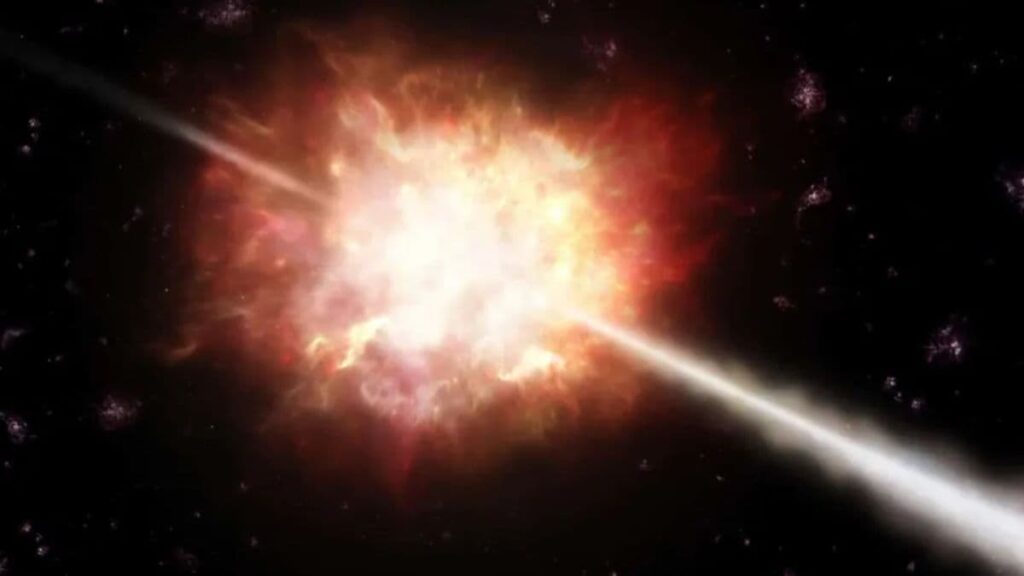
On Oct. 9, 2022, astronomers recorded an extraordinary flash of high-energy light. This gamma-ray burst (GRB 221009A), nicknamed the “BOAT” (Brightest Of All Time), was the brightest and most energetic cosmic explosion ever witnessed. It came from a galaxy about 2 billion light-years away, and its blast of gamma rays briefly overwhelmed detectors on orbiting

Brightest Gamma-Ray Burst Ever Observed Reveals Cosmic Secrets Read More »